
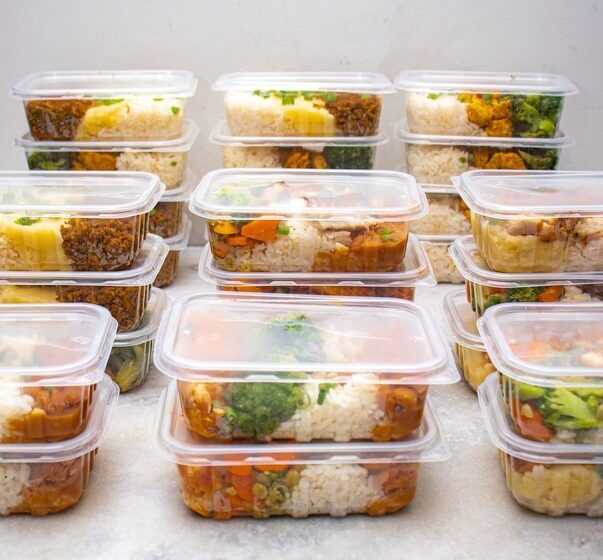

Food waste can happen in small ways: a forgotten container at the back of the fridge, vegetables that were not used in time, or leftovers that never made it onto the menu. While no household can avoid waste completely, a few simple habits can make a noticeable difference.
Reducing food waste helps you get more value from your grocery budget and can make meal planning less stressful. It also encourages you to use ingredients creatively instead of buying more than you need. Here are practical ways to waste less food at home.
Plan Before You Shop
One of the easiest ways to reduce food waste is to plan your meals before visiting the grocery store. A plan does not have to be detailed or rigid. Even choosing a few meals for the week can help you buy with purpose.
Before making your list:
– Check the fridge, freezer, and pantry.
– Note foods that need to be used soon.
– Choose meals that share ingredients.
– Consider how many people you are feeding.
– Review your schedule to avoid buying food for meals you will not have time to prepare.
For example, a bunch of fresh herbs could be used in pasta, soup, and a salad. A roast chicken might become sandwiches, soup, or a filling for wraps. Planning meals around ingredients you already have helps prevent duplicate purchases.
Make a Shopping List
A shopping list keeps you focused and reduces impulse purchases. Organize the list by sections, such as produce, dairy, pantry items, and frozen foods. This can make shopping faster and help you avoid overlooking items you already have at home.
Be realistic about quantities. If you usually eat two servings of a particular vegetable each week, buying a large package may not be the best choice unless you have a plan for the rest. When available, choose smaller quantities or buy loose produce so you can select only what you need.
It is also useful to leave a little flexibility in your list. If an ingredient is unavailable, you can choose a similar option rather than buying extra food for a separate recipe.
Understand Date Labels
Date labels can be confusing, but they do not all mean the same thing. In Canada, some labels relate to freshness or quality rather than safety. A product may still be suitable after a best before date, depending on the food and how it has been stored.
Use your senses and sound judgement when assessing food. Check the appearance, smell, and texture, and follow the storage instructions on the package. Foods that show mould, have an unusual smell, or appear spoiled should be discarded.
When you bring food home, place items with earlier dates near the front of the fridge or pantry. This simple “first in, first out” approach makes it more likely that older items will be used first.
Store Food Properly
Proper storage can extend the usable life of many foods. Keep your refrigerator at the recommended temperature and avoid overcrowding it, as cold air needs room to circulate.
A few useful storage habits include:
– Store leafy greens in a container or bag with a paper towel to absorb excess moisture.
– Keep berries dry and wash them just before eating.
– Store potatoes and onions separately in a cool, dark, dry place.
– Keep bananas away from other fruit if you want to slow ripening.
– Seal opened packages tightly or move them into airtight containers.
– Label leftovers with the date they were prepared.
Some fruits release natural gases that speed up ripening in nearby produce. If certain fruits are becoming soft quickly, store them separately or move them to the refrigerator when appropriate.
Use Your Freezer
The freezer is one of the best tools for preserving food. Freeze items before they spoil, rather than waiting until they are no longer appealing.
You can freeze:
– Bread, buns, and tortillas
– Grated cheese
– Cooked rice and pasta
– Chopped fruit for smoothies
– Vegetables
– Soups, stews, and sauces
– Extra portions of cooked meals
Divide food into useful portions before freezing. Smaller containers thaw more quickly and reduce the chance of having more food than you can eat. Label each container with its contents and date so it does not become an unrecognizable frozen package.
If you often forget what is in the freezer, keep a simple list on the door. Cross items off as you use them and add new items when you freeze them.
Give Leftovers a Second Life
Leftovers do not have to be repeated in exactly the same form. With a little creativity, they can become the base for a new meal.
Try these ideas:
– Turn roasted vegetables into soup, a pasta sauce, or a grain bowl.
– Add cooked vegetables or meat to omelettes, fried rice, or wraps.
– Use extra rice in a salad, casserole, or stir-fry.
– Add soft fruit to smoothies, muffins, or sauces.
– Use stale bread for croutons, breadcrumbs, or a baked dish.
– Mix small amounts of leftover ingredients into a frittata or savoury pancake.
Store leftovers where you can see them. Clear containers are helpful because they make the food easier to identify. You can also schedule a “leftovers night” once a week to use several items at once.
Cook the Right Amount
Preparing too much food is a common source of waste. If you are trying a recipe for the first time, check the serving size and adjust it to match the number of people eating.
A kitchen scale or measuring cups can help you learn how much rice, pasta, or other ingredients your household usually needs. Over time, you will become better at estimating portions.
When serving a meal, start with smaller portions and allow people to take more if they are still hungry. This leaves fewer untouched servings on plates and makes extra food easier to store.
Use More of Each Ingredient
Many parts of food that are commonly discarded can be used in other ways. Vegetable stems can be added to stock, while broccoli stalks can be peeled and sliced for stir-fries or salads. Herb stems can add flavour to soups and sauces.
Before discarding an ingredient, ask whether it can be:
– Added to stock or soup
– Chopped into a sauce or casserole
– Roasted or sautéed
– Blended into a dip or smoothie
– Used as a garnish or seasoning
Not every part of every food is suitable to eat, so use reliable food preparation guidance and remove anything tough, damaged, or unsuitable.
Set Up a Food Waste Routine
Small routines are easier to maintain than occasional major cleanouts. Once or twice a week, take a quick look through the fridge and pantry. Identify foods that need attention and plan a meal around them.
You might also keep a small “use soon” area on one fridge shelf. Place opened packages, ripe produce, and leftovers there. This makes them easy to spot when you are deciding what to cook.
Finally, track what you throw away for one week. You may notice patterns, such as buying too much salad greens or cooking more pasta than your household eats. Use these observations to adjust your shopping and cooking habits.
Reducing food waste is not about being perfect. It is about making thoughtful choices more often: planning ahead, storing food well, using leftovers, and buying realistic quantities. A few small changes can help your household save money, simplify meals, and make better use of the food already in your kitchen.