
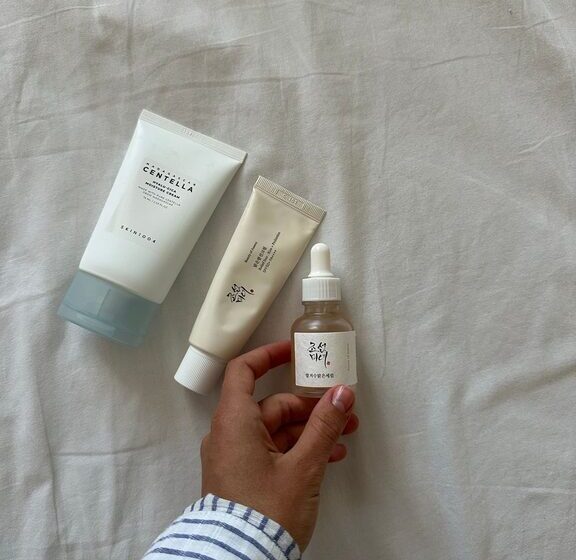

Starting a skincare routine does not have to mean buying a shelf full of products. A simple routine with a few well-chosen basics can help keep your skin clean, comfortable and protected. The key is to begin slowly, learn what works for you and stay consistent.
Your skin can change with the seasons, age, stress, indoor heating and other everyday factors. A routine that works well in summer may need small adjustments in winter. Start with the essentials, then add products only when you have a clear reason to use them.
The three basics of skincare
A beginner-friendly routine usually includes three main steps:
- **Cleanser:** Removes dirt, sweat, excess oil and sunscreen.
- **Moisturiser:** Helps support the skin’s natural barrier and reduce dryness.
- **Sunscreen:** Helps protect exposed skin from ultraviolet radiation during the day.
These products are enough to create a useful starting point. You do not need a toner, serum, scrub or mask unless you decide one addresses a specific concern.
Step 1: Choose a gentle cleanser
A cleanser is used to wash away the day’s build-up without leaving your skin feeling uncomfortably tight or dry. Look for a product labelled gentle, fragrance-free or suitable for sensitive skin if you are unsure where to start.
Different cleanser types may suit different preferences:
– Gel cleansers: Often feel fresh and light.
– Cream cleansers: Can feel comfortable on dry or sensitive skin.
– Foaming cleansers: May be appealing for oily skin, although some formulas can feel drying.
– Micellar water: Can be useful for removing light makeup, but you may still wish to rinse afterwards.
Use lukewarm water rather than very hot water, which can leave skin feeling dry. Apply the cleanser with clean fingertips and avoid vigorous scrubbing. Pat your face dry with a clean towel instead of rubbing.
Most people cleanse in the evening. In the morning, a gentle rinse or a light cleanse may be enough, depending on your skin and personal preference.
Step 2: Add a moisturiser
Moisturiser helps reduce moisture loss and leaves skin feeling softer. Even oily skin can benefit from moisturising, especially if cleansing leaves the skin feeling tight.
When choosing a moisturiser, consider its texture:
– Gel moisturisers: Light and quick-absorbing.
– Lotions: Comfortable for many skin types.
– Creams: Richer and often preferred by dry skin.
– Ointments or balms: Very rich options for particularly dry areas.
Labels such as non-comedogenic may be useful if you are concerned about blocked pores, although individual results can vary. If a product feels heavy, greasy or uncomfortable, try a lighter formula rather than skipping moisturiser altogether.
Apply moisturiser after cleansing while the skin is slightly damp. This can make the product feel more comfortable and may help support hydration.
Step 3: Use sunscreen in the morning
Sunscreen is an important daytime step, even when the weather is cool or cloudy. Choose a broad-spectrum sunscreen with an SPF of 30 or higher, and apply it to exposed areas such as your face, ears and neck.
For daily use, look for a formula that feels comfortable enough to apply generously. Sunscreen may be available as a lotion, cream, gel or fluid. Some products are designed to work well under makeup, while others are made for outdoor activities.
Apply sunscreen as the final step of your morning skincare routine. Reapply as directed on the product label, particularly after swimming, sweating or spending extended time outdoors. Hats, sunglasses and shade can also provide helpful protection.
A simple morning routine
A basic morning routine could look like this:
- Cleanse or rinse your face.
- Apply moisturiser.
- Apply broad-spectrum sunscreen.
- Apply makeup, if desired.
Allow each product a moment to settle if it feels wet or sticky. You do not need to wait a long time between steps, but applying products from lightest to heaviest can make the routine easier.
A simple evening routine
Your evening routine can be just as straightforward:
- Remove makeup and sunscreen.
- Cleanse your face gently.
- Apply moisturiser.
If you wear waterproof makeup or several layers of sunscreen, you may prefer a first cleansing step designed to dissolve those products, followed by a gentle cleanser. Avoid repeatedly washing your face if it causes dryness or discomfort.
How to choose products for your skin
It helps to notice how your skin usually feels, rather than focusing only on labels.
– Dry skin: May feel tight, rough or flaky. Cream-based products may feel more comfortable.
– Oily skin: May look shiny or feel greasy, especially later in the day. Lightweight textures may be preferable.
– Combination skin: May be oily in some areas and dry in others. You can use different textures where needed.
– Sensitive skin: May react to fragrance, strong ingredients or frequent product changes. Simple, fragrance-free products can be a good starting point.
– Balanced skin: May feel comfortable without excessive dryness or oiliness. A basic routine may be all you need.
These descriptions are general, and skin can show more than one characteristic. You do not have to identify a perfect skin type before beginning.
Introduce new products slowly
Adding several products at once makes it difficult to know which one is helping or causing irritation. Start with your cleanser, moisturiser and sunscreen. Once your routine feels comfortable, introduce one additional product at a time.
Before applying a new product widely, test a small amount on an inconspicuous area according to the product directions. Stop using it if you develop significant burning, swelling, a rash or ongoing discomfort. For persistent or concerning skin problems, speak with a qualified healthcare professional.
Be especially cautious with products containing exfoliating acids, retinoids or other concentrated ingredients. These products may be useful for specific goals, but they are not essential for a beginner’s routine. Follow the label instructions and avoid using multiple strong products together at first.
Common beginner mistakes to avoid
A few simple habits can make your routine more comfortable:
– Do not scrub aggressively to remove oil or dry skin.
– Avoid washing your face repeatedly throughout the day.
– Do not change your entire routine every few days.
– Check expiry dates and keep products stored as directed.
– Wash your hands before applying skincare.
– Clean makeup brushes regularly.
– Do not assume that a higher price means a better product.
– Give a basic routine time before deciding whether it suits you.
Keep your routine realistic
The best routine is one you can follow regularly. Store your products where you will remember to use them, such as beside your toothbrush. If mornings are busy, keep the routine to moisturiser and sunscreen after a quick rinse. In the evening, focus on removing sunscreen or makeup, cleansing gently and moisturising.
A basic skincare routine is a starting point, not a strict set of rules. Begin with the essentials, pay attention to how your skin feels and make changes gradually. With a little consistency, simple daily care can become an easy and practical part of your self-care routine.