

Changing your wardrobe with the seasons can make your home feel more organized, but storing clothing properly takes a little planning. Clothes that are packed away carelessly can develop odours, wrinkles, stains, or damage from moisture and pests.
With the right preparation and storage supplies, you can protect your seasonal clothes and make the next wardrobe change faster and easier. The key is to clean everything before storing it, choose suitable containers, and keep an easy-to-follow system.
Start with a wardrobe review
Before packing anything away, take a few minutes to review your clothes. Seasonal storage is a useful opportunity to reduce clutter and make better use of your wardrobe.
Set aside items that are:
– Worn out or damaged beyond repair
– No longer the right size
– Uncomfortable or rarely worn
– Duplicates of items you already own
– No longer suitable for your lifestyle
Create separate piles for items to keep, donate, repair, recycle, or discard. Avoid storing clothes simply because you might wear them someday. If you have not worn something during the past season and cannot think of a clear reason to keep it, it may be taking up valuable space.
Be especially thoughtful with items that need repairs. Either fix them before storage or place them in a clearly labelled “repairs” area. This prevents damaged clothes from being forgotten for another year.
Clean clothes before storing them
Always wash or dry-clean clothes before packing them away. Even small amounts of perspiration, body oil, food, or perfume can leave stains and attract insects over time.
Follow the care instructions on each garment. For best results:
– Make sure clothes are completely dry before storing them.
– Treat stains before they become more difficult to remove.
– Empty all pockets.
– Remove detachable accessories that could snag fabric.
– Brush off dirt from coats, boots, and outdoor clothing.
– Air out garments that have been stored in crowded spaces.
Do not pack damp clothing, even if it only feels slightly cool or moist. Trapped moisture can lead to mildew and unpleasant odours. If possible, let freshly washed items air-dry fully before placing them in containers.
Choose the right storage containers
The best container depends on the type of clothing, the amount of space available, and how often you need access to the items.
Plastic bins
Plastic bins with secure lids are useful for most everyday clothes. They protect garments from dust, spills, and pests, and they stack well in closets or storage rooms.
Choose sturdy bins that are large enough to hold clothes without forcing them inside. Overpacking can cause wrinkles and may make it difficult to remove items later. Clear bins let you see the contents, while opaque bins can protect clothes from light.
Fabric storage bags
Breathable fabric bags work well for wool sweaters, delicate items, and clothing that should not be tightly compressed. They allow some air circulation while protecting garments from dust.
Avoid using fabric bags in damp locations, such as an unheated basement, unless you are confident the area is dry and well ventilated.
Suitcases
Suitcases can provide convenient extra storage. Fill them with folded clothing before storing them, but avoid packing them so tightly that garments become deeply creased. Label the suitcase clearly so you do not need to open every case when looking for a particular item.
Vacuum storage bags
Vacuum bags can save space, especially for bulky coats, duvets, and seasonal bedding. However, they are not ideal for every fabric. Long-term compression may affect the shape of structured garments and can create strong wrinkles.
Use vacuum bags mainly for washable, soft items, and follow the manufacturer’s instructions. Avoid compressing leather, suede, structured jackets, and delicate fabrics.
Fold and hang clothes carefully
Different garments need different storage methods.
Fold knitwear, T-shirts, jeans, casual trousers, and most washable clothing. Fold heavier sweaters rather than hanging them, as hangers can stretch the shoulders over time. Place heavier items at the bottom of a container and lighter pieces on top.
Use padded or shaped hangers for jackets, dresses, and other structured clothing. Avoid thin wire hangers, which can leave marks or distort the shape of garments. Cover formalwear with breathable garment bags rather than plastic dry-cleaning covers.
Do not store clothes in a tightly packed hanging row. Leave enough space for air to circulate and for garments to maintain their shape. If you use garment bags, make sure they are designed for clothing storage and are not sealed in a way that traps moisture.
Protect delicate and special fabrics
Some materials need extra care. Wool, cashmere, silk, leather, and suede should be stored according to their care instructions.
For delicate clothing:
– Use clean tissue paper to reduce creasing.
– Avoid placing heavy items on top of fragile fabrics.
– Keep leather and suede away from damp areas.
– Store beaded or embellished garments flat when possible.
– Use breathable covers instead of airtight plastic.
– Keep sharp accessories, such as brooches or belt buckles, separate from fabric.
For boots and shoes, clean off dirt and salt before storage. Allow footwear to dry completely, then support tall boots with boot shapers or rolled, acid-free paper. Store shoes in boxes or breathable bags, and avoid piling them together where they can lose their shape.
Organize by season and category
A simple organization system makes seasonal changes much easier. Group clothing by season first, then by category. For example, one container might hold summer tops, while another holds swimwear and light accessories.
You could organize items into categories such as:
– Warm-weather clothing
– Cold-weather clothing
– Outdoor and sportswear
– Formalwear
– Seasonal accessories
– Footwear
– Travel clothing
Place the items you are most likely to need near the front of your storage area. If spring weather is unpredictable, keep a light jacket or a few long-sleeved tops accessible instead of packing away every transitional item.
Avoid mixing clothing from different household members unless your storage space is limited. Separate containers make it easier to find items and reduce unnecessary searching.
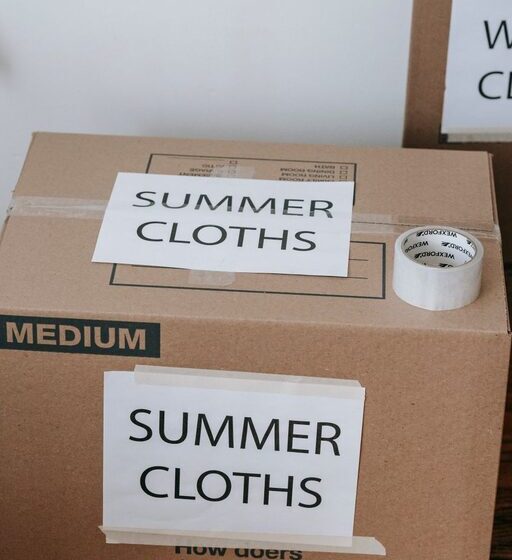
Label every container
Labels save time and prevent unnecessary unpacking. Write the season and main contents on at least two sides of each container so the information is visible when bins are stacked.
Useful labels might include:
– Winter sweaters and scarves
– Summer clothing
– Rainwear and outdoor layers
– Formal clothing
– Children’s seasonal items
– Boots and footwear
You can also add a short list of specific items inside each container. Keep a simple inventory on your phone or in a notebook if you have many storage bins. This is especially helpful for clothing stored in less accessible areas.
Choose a suitable storage location
Store seasonal clothes in a cool, dry, and reasonably dark location. Closets, under-bed drawers, and interior storage areas are often suitable. Keep clothing away from leaking pipes, direct sunlight, heaters, and areas with large temperature changes.
Do not place containers directly on a basement or garage floor. Use shelving, pallets, or a raised platform to protect them from possible moisture. Leave a little space between containers and walls when possible to allow air to circulate.
Check stored clothing occasionally, especially during the first few weeks. If you notice a musty smell, dampness, or signs of pests, remove the items and address the storage conditions promptly.
Make the next seasonal change easier
When the new season arrives, take out one category at a time. Inspect each item before returning it to your wardrobe. Look for stains, missing buttons, stretched fabric, or other repairs that may have been overlooked.
As you unpack, place unwanted items directly into donation or recycling bags. This keeps your wardrobe from becoming crowded again. Wash or air out stored clothing if needed, and fold or hang everything neatly before putting it away.
Finally, update your labels and storage inventory. A consistent system means less effort every time the seasons change.
Efficient seasonal clothing storage is less about buying expensive products and more about creating good habits. Clean clothes, suitable containers, clear labels, and a dry storage area can keep your wardrobe in good condition while making your home easier to manage.