
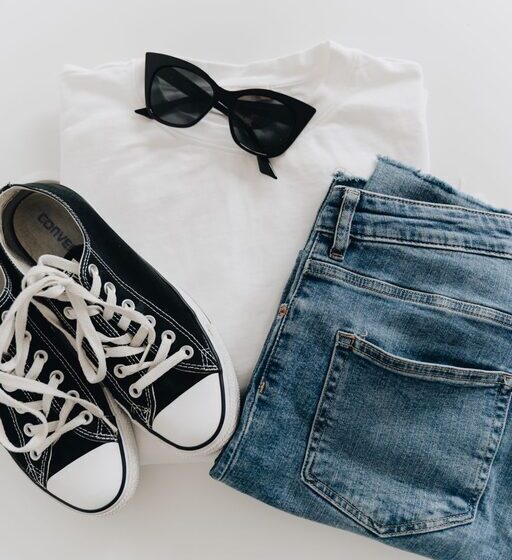

A capsule wardrobe is a small, thoughtfully chosen collection of clothing that works well together. Instead of keeping a packed closet full of items you rarely wear, you focus on versatile pieces that suit your lifestyle, preferences, and the season.
Building one does not mean following strict fashion rules or owning a specific number of items. The goal is to make getting dressed easier while helping you understand what you actually wear. With a little planning, you can create a wardrobe that feels practical, comfortable, and personal.
What Is a Capsule Wardrobe?
A capsule wardrobe usually includes a limited selection of tops, bottoms, layers, dresses, shoes, and accessories. Most pieces can be mixed and matched to create several outfits.
A basic capsule may include:
– Everyday tops
– Casual and dressier bottoms
– One or two layering pieces
– A versatile jacket or coat
– Comfortable everyday shoes
– One pair of dressier shoes
– A few accessories
– Seasonal items suited to your local weather
The collection can be as small or as large as you need. Someone who works from home may need different pieces from someone who has a formal workplace. Your wardrobe should support your real routine, not an imagined one.
Start by Reviewing Your Current Wardrobe
Before buying anything, look at what you already own. Take everything out of your wardrobe and group similar items together. This gives you a clearer view of what you have and helps prevent unnecessary purchases.
Consider each item by asking:
– Do I wear this regularly?
– Does it fit comfortably?
– Is it in good condition?
– Does it suit my current lifestyle?
– Can I wear it with at least two or three other pieces?
– Would I choose to buy it again today?
Sort your clothing into three groups:
- **Keep:** Items you wear often and feel good in.
- **Review:** Items you are unsure about or may need to try on again.
- **Remove:** Items that no longer fit your life, are uncomfortable, or are damaged beyond repair.
You do not have to make every decision immediately. Place uncertain items in a separate box for a month or two. If you do not look for them during that time, you may be ready to let them go.
Define Your Daily Needs
A useful capsule wardrobe starts with your activities. Write down how you spend a typical week. You might need clothing for work, errands, social occasions, exercise, relaxing at home, or changing weather.
Think about the balance between these activities. For example, if most of your time is spent in casual settings, you may need more comfortable trousers, knitwear, and casual tops than formal clothing.
Also consider:
– Your usual dress code
– The climate where you live
– How often you do laundry
– Your preferred level of comfort
– Clothing requirements for work or special occasions
– Whether you need outfits for travel or outdoor activities
This step helps you avoid building a wardrobe around items that look appealing but are rarely useful.
Choose a Simple Colour Palette
A coordinated colour palette makes a capsule wardrobe easier to use. Start with two or three neutral colours, such as black, navy, grey, brown, beige, white, or denim. These colours can form the foundation of your wardrobe.
Then add one or two accent colours that you enjoy wearing. Accents might appear in tops, knitwear, scarves, shoes, or accessories.
For example, a palette could include:
– Navy, white, and grey as the main colours
– Burgundy and light blue as accent colours
You do not need every item to match perfectly. The purpose of a palette is to make combinations easier, not to remove variety from your style.
If you prefer brighter colours or patterns, use them as part of the plan. A capsule wardrobe should reflect your taste rather than follow a particular colour formula.
Build Around Versatile Basics
Once you understand your needs and colour preferences, choose pieces that can be worn in several ways. A basic capsule might include the following:
Tops
Choose a mixture of everyday shirts, blouses, T-shirts, and knitwear. Include a few neutral options and, if you like, one or two patterned or colourful pieces.
Look for tops that work with multiple bottoms. A simple shirt might be worn with jeans for a casual outfit or with trousers for a more polished look.
Bottoms
A practical starting point could include:
– One pair of jeans
– One pair of casual trousers
– One dressier pair of trousers or a skirt
– One additional bottom suited to your lifestyle
Choose different shapes or fabrics if that gives you more outfit options. For example, jeans, tailored trousers, and a comfortable skirt provide useful variety.
Layers
Layers help you adjust to changing temperatures and create different looks. Consider a cardigan, overshirt, blazer, light jacket, or jumper.
A well-fitting layer can make a simple outfit feel more complete. Choose one that works with several tops and bottoms instead of buying a separate layer for every outfit.
Dresses and One-Piece Options
If you enjoy wearing dresses, include one or two that suit your routine. A simple dress can often be styled with trainers for daytime, boots for cooler weather, or more polished shoes for an occasion.
If dresses are not part of your style, skip them. The best capsule is based on what you enjoy wearing.
Shoes
Select shoes for comfort, weather, and regular activities. A starting selection might include:
– Everyday trainers or casual shoes
– Boots or weather-appropriate footwear
– Dressier shoes
– Sandals or seasonal footwear, where useful
Try to choose shoes that work with more than one type of outfit. Your climate and daily walking habits should guide your choices.
Use the Three Outfit Test
Before adding a new item, see whether you can create at least three outfits with clothing you already own. This simple test helps you identify versatile pieces.
For example, a new top might work with:
– Jeans and casual shoes
– Trousers and a blazer
– A skirt and a cardigan
If an item only works with one specific outfit, consider whether it fills an important need. It may still be worth owning, but it should be a deliberate choice rather than an impulse purchase.
Add Personality Through Accessories
Accessories can add interest without taking up much space. Consider scarves, belts, jewellery, hats, or bags in colours and styles you enjoy.
You do not need a large accessory collection. A few well-used pieces can change the appearance of familiar clothing. For example, a belt can define the shape of an outfit, while a scarf can add colour to a simple combination.
Choose accessories that suit your routine. If you rarely wear jewellery, there is no need to include a large collection simply because it is common in capsule wardrobe guides.
Shop With a Clear List
After reviewing your wardrobe, make a short list of genuine gaps. Your list might include a warm cardigan, comfortable trousers, or a rain-friendly jacket.
When shopping, check:
– Whether the item fits your colour palette
– Whether it is comfortable and practical
– Whether the fabric suits the season
– Whether it works with at least three existing pieces
– Whether you would wear it regularly
Avoid buying several versions of the same item before you know which cut, fabric, or fit works best for you. Adding pieces slowly gives you time to learn what your wardrobe needs.
Maintain Your Capsule Wardrobe
A capsule wardrobe is not a one-time project. Review it at the beginning of each season and after major changes in your routine.
Repair useful items, clean clothing according to its care instructions, and store seasonal pieces properly. If something no longer works, replace it only when necessary.
You can also keep a simple record of outfits you enjoy. Taking a quick photo or noting successful combinations can make busy mornings easier and reveal which pieces earn their place.
Keep It Personal
The most successful capsule wardrobe is one that feels natural to wear. You do not need to copy a minimalist wardrobe, follow a set item count, or remove every piece that is not perfectly versatile.
Start with the clothing you use most, build around your real activities, and make thoughtful additions over time. With a clear plan and regular review, a smaller wardrobe can give you more outfit options, less daily decision-making, and a stronger sense of personal style.