
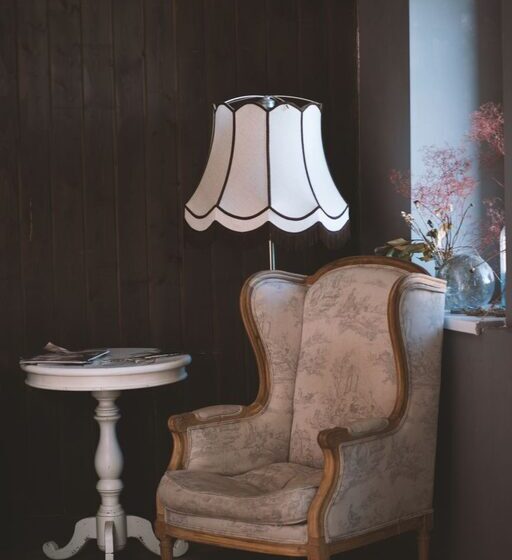

A cozy reading corner can make even an ordinary room feel more inviting. It does not need to take up much space or require a large budget. With the right seat, lighting, storage, and accessories, you can create a comfortable place to slow down, enjoy a book, and take a break from daily routines.
Whether you have a quiet spare room, a sunny window, or a small corner of the living room, the key is to make the space feel comfortable and easy to use. Here is how to design a reading corner that suits your home and your reading habits.
Choose the Right Location
Start by looking for a spot that feels naturally comfortable. A reading corner can fit into many areas, including:
– A corner of the living room
– A space beside a bedroom window
– An unused area under the stairs
– A wide hallway nook
– A section of a home office
– A quiet corner in a guest room
Natural light is helpful during the day, so a spot near a window may be ideal. However, avoid placing your chair where direct sunlight creates glare on the pages or makes the area too warm.
Think about noise and traffic, too. A reading corner beside a busy doorway may be less relaxing than one placed away from the main flow of the home. If you enjoy listening to music or reading aloud, you may prefer a more open location. If quiet is important, choose a tucked-away spot.
Select Comfortable Seating
The chair is the main feature of a reading corner, so comfort should come before appearance. Choose seating that supports your back and allows you to sit in your preferred reading position.
Good options include:
– An armchair with supportive cushions
– A small lounge chair
– A compact recliner
– A chaise longue
– A padded bench with cushions
– A floor cushion or beanbag for a relaxed look
Before buying anything, consider how much room you have. Measure the area and leave enough space to walk around the chair, open a nearby door, or reach a lamp and side table.
If you already own a chair that is comfortable but looks plain, refresh it with a soft throw and one or two cushions. A footstool can also make the seating more relaxing, especially if you enjoy longer reading sessions.
Add Warm, Practical Lighting
Good lighting helps you read comfortably and gives the corner a warm atmosphere. Ideally, use a mix of natural and artificial light.
A floor lamp works well beside an armchair because it provides focused light without taking up table space. A table lamp is a practical choice if you have a side table nearby. Look for a lamp with an adjustable shade so you can direct light towards your book.
Keep these tips in mind:
– Place the light beside or slightly behind your shoulder.
– Avoid strong glare on the page.
– Choose a bulb with a comfortable, warm tone.
– Make sure switches are easy to reach.
– Use a dimmer if you want to change the mood.
If your reading corner is near a window, add curtains or blinds that let you control the amount of daylight. Light-filtering window coverings can soften the space while still allowing natural brightness.
Include a Small Surface
A small side table can make the reading corner much more useful. It gives you a place to set down a book, cup of tea, reading glasses, or a small lamp.
The table does not need to be large. A round accent table, narrow console, stool, or floating shelf may be enough. Choose a size that suits the chair without making the area feel crowded.
Try to keep the surface tidy. A small tray can gather everyday items, while a coaster protects the table from moisture. If the table has a lower shelf or drawer, you can use it to store notebooks, bookmarks, or extra reading material.
Plan Simple Book Storage
A reading corner feels more personal when books are close at hand. Storage can be as simple or creative as you like.
Consider using:
– A narrow bookcase
– Floating shelves
– A small cube storage unit
– A rolling cart
– A basket for current books
– A built-in shelf beneath a window
If space is limited, display only the books you are currently reading or hope to read soon. Keep the rest of your collection elsewhere to prevent the corner from becoming cluttered.
Arrange books in a way that is both attractive and practical. You can group them by size, subject, or colour, but make sure the titles are still easy to find. A few books displayed face-out can add visual interest without making the space look busy.
Layer in Soft Textures
Textiles are one of the easiest ways to make a reading corner feel warm and welcoming. Add a soft throw over the back of the chair or fold one over a nearby basket. Cushions can provide extra support and introduce colour or pattern.
A small rug can define the reading area, particularly if the corner is part of a larger room. It also adds warmth underfoot and helps the space feel separate from the rest of the room.
For a balanced look, combine a few different textures, such as:
– Cotton cushions
– A knitted throw
– A woven basket
– A soft rug
– Linen curtains
Avoid adding too many pieces at once. Two or three well-chosen textiles can create a comfortable atmosphere without making the corner feel crowded.
Add Personal Details
The best reading corners reflect the person who uses them. Add a few items that make you feel relaxed and connected to the space.
You might include:
– A framed print
– A small plant
– A favourite mug
– A decorative bookmark
– A scented candle
– A small piece of artwork
– A box for reading glasses
Plants can bring life and colour to the corner, while artwork can help establish the mood. If you enjoy changing your reading material with the seasons, rotate books and accessories throughout the year.
Keep personal items useful as well as decorative. A reading corner should feel inviting, but it should also be easy to maintain and use every day.
Make the Space Easy to Maintain
A comfortable reading corner should not become another area that feels difficult to manage. Choose furniture and accessories that are easy to clean and keep organised.
Use washable cushion covers where possible, and select a rug that suits the amount of foot traffic in the room. Place a basket nearby for blankets, magazines, or books that need to be returned to their shelves.
It can also help to create a simple reset routine. At the end of the day, return books to their storage area, fold the throw, and clear the side table. This takes only a minute but keeps the corner ready for your next reading session.
Create a Corner You Will Use
A beautiful reading space is most successful when it fits naturally into your routine. Keep your favourite books nearby, make sure the lighting is comfortable, and place the chair somewhere you will want to visit regularly.
You do not need a large room or expensive furniture to create a welcoming retreat. Start with a comfortable seat, add practical light, and build the space slowly with useful and personal details. With a little planning, an unused corner can become one of the most relaxing places in your home.