
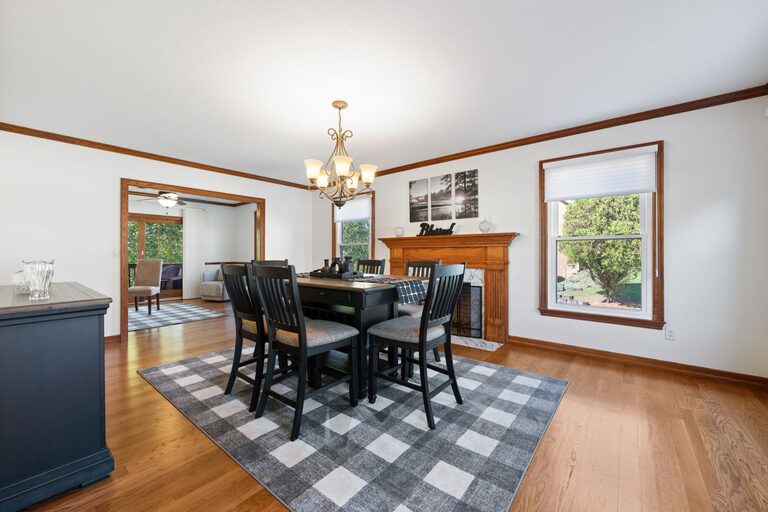

Make a Dark Room Feel Brighter
A room with limited natural light can feel smaller, colder, and less inviting. The good news is that you do not need a major renovation to create a brighter atmosphere. A few thoughtful changes to lighting, wall colour, furniture, and accessories can make a noticeable difference.
Whether you are updating a bedroom, living room, hallway, or home office, these quick ideas can help the space feel more open and welcoming.
1. Layer Several Types of Lighting
One ceiling light rarely provides enough brightness for an entire room. Instead, use a combination of light sources at different heights. This creates a softer, more balanced effect and helps eliminate dark corners.
Try adding:
- A floor lamp beside a sofa or reading chair
- A table lamp on a sideboard, desk, or bedside table
- Wall sconces in areas with limited floor space
- Small accent lights on shelves or inside display cabinets
- Under-cabinet lighting in a kitchen or work area
Use the main ceiling light for general illumination, then add lamps where you read, work, or relax. A lamp with a light-coloured shade can spread a gentle glow across nearby walls and furniture.
Choose bulbs that suit the room’s purpose. Soft white bulbs create a warm, comfortable feeling, while neutral white bulbs can feel fresher and more energetic in kitchens, offices, and bathrooms. If possible, choose dimmable bulbs so you can adjust the mood throughout the day.
2. Use Mirrors to Reflect Light
Mirrors can make a dark room appear larger and help distribute available light. Place a mirror across from a window to reflect daylight into the room. You can also position one opposite a lamp, where it will bounce light around after sunset.
For the best effect:
- Choose a mirror that is large enough to make an impact.
- Place it where it reflects a pleasant view, artwork, or light source.
- Try a group of smaller mirrors for a decorative display.
- Keep the area around the mirror relatively uncluttered.
A mirror with a simple frame can add style without making the wall feel busy. In a narrow hallway, a tall mirror can make the space feel wider while providing a useful last look before heading out.
3. Refresh the Wall Colour
Light wall colours can help a room feel more spacious, but white is not the only option. Pale grey, warm beige, soft blue, light green, and creamy off-white can all reflect light while adding personality.
When choosing a colour, consider the type of light the room receives. A north-facing room may benefit from a warm shade, while a sunny room can handle cooler tones. Test a few samples on different walls and view them during the morning, afternoon, and evening.
Look Beyond the Walls
The ceiling, trim, and doors also affect how bright a room feels. Painting the ceiling a lighter colour than the walls can create a sense of height. Fresh, light-coloured trim can give the room a clean outline and make the walls appear brighter.
If you prefer a stronger wall colour, keep larger furnishings and textiles in lighter shades. This creates contrast without allowing the room to feel too dark overall.
4. Choose Light and Airy Window Treatments
Heavy curtains can block valuable daylight, even when they are fully open. Replace them with sheer or lightweight curtains that filter sunlight while maintaining privacy.
You might also try:
- Mounting curtain rods slightly above the window frame
- Extending the rod beyond both sides of the window
- Choosing curtains that reach the floor
- Using blinds that can be raised completely during the day
A wider curtain rod allows the fabric to sit beside the window rather than covering part of it. This simple adjustment can make the window appear larger and let in more natural light.
Keep window areas free from tall furniture, bulky decor, and plants with dense leaves. A clear path helps daylight travel farther into the room.
5. Add Light-Coloured Textiles
Large areas of fabric have a strong effect on a room’s overall appearance. A pale rug, light sofa cover, or neutral bedding can reflect light and make the space feel fresher.
Consider adding:
- A cream, beige, or pale grey area rug
- Light cushions in different textures
- A soft throw in white, oatmeal, or a gentle pastel
- Light bedding with a simple pattern
- Sheer curtains layered with practical blinds
You do not have to remove every dark item. A few deeper colours can create contrast and make the lighter pieces stand out. The key is to balance dark furniture with brighter surfaces and fabrics.
6. Reduce Visual Clutter
A crowded room can feel darker because objects interrupt the flow of light and make surfaces appear heavier. A quick decluttering session may brighten the space without adding anything new.
Start by clearing window ledges, open shelves, and pathways. Group similar items together and store things that are not used regularly. Keep a few favourite pieces on display rather than filling every surface.
Furniture placement matters, too. Avoid blocking windows with bookcases, tall cabinets, or oversized plants. If the room is small, consider furniture with raised legs, glass details, or open shelving. These features allow more of the floor and wall to remain visible.
7. Add Reflective and Glossy Details
Reflective surfaces can help spread light around a room. You can introduce them in small, practical ways without making the space feel overly shiny.
Ideas include:
- A glass coffee table
- Metal lamp bases or picture frames
- Glossy ceramic vases
- Furniture with a polished finish
- Decorative objects in brass, chrome, or light-toned metal
Use reflective items selectively. One or two well-placed pieces can catch the light and add interest, while too many may make the room feel busy.
8. Bring in Fresh Greenery
Plants do not create more light, but they can make a dim room feel more lively and welcoming. Choose varieties that suit the available conditions, and place them where they will not block windows or lamps.
If the room receives very little natural light, consider realistic artificial plants or dried arrangements. Pale planters can also contribute to a brighter look. A white, cream, or light ceramic pot can provide contrast against a darker shelf or table.
9. Brighten Dark Furniture
Dark furniture can anchor a room, but too many heavy pieces may make it feel enclosed. You can lighten the overall look without replacing everything.
Try draping a light throw over a dark chair, placing pale cushions on a sofa, or adding a bright runner to a sideboard. Artwork with a light background can soften a dark wall unit, while lighter baskets can make open storage look tidier.
If you are choosing new furniture, look for pale wood, painted finishes, or pieces with open frames. These options tend to feel less visually heavy than solid, dark designs.
10. Keep the Room Clean and Well Maintained
Dusty bulbs, windows, mirrors, and light shades can reduce the amount of light a room reflects. Clean these surfaces regularly with suitable materials, and replace bulbs that have become dim or inconsistent.
A clean window can let in more daylight than you might expect. Wipe the glass, dust the frame, and remove anything that blocks the lower portion of the window.
Final Thoughts
Brightening a dark room is often about combining several small improvements. Start with layered lighting, clear the windows, and add a mirror in a useful position. Then consider lighter textiles, a fresh wall colour, and a little reflective decor.
Work with the room’s existing features rather than trying to change everything at once. With a few simple updates, even a space with limited natural light can feel comfortable, open, and inviting.